









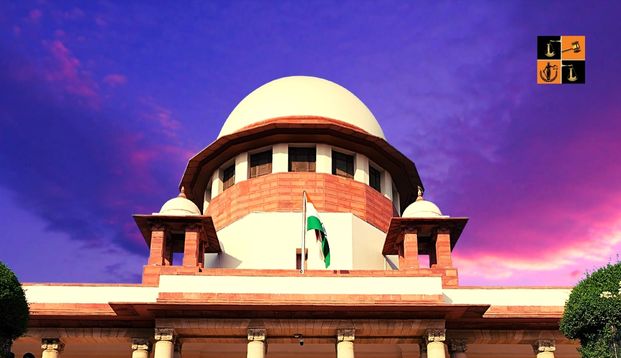
In a significant turn in the Sabarimala reference, the Supreme Court’s nine-judge bench heard the Travancore Devaswom Board (TDB) advocate a middle path on the clash between Article 25 and Article 26, asserting that while the State can ensure temple entry for all sections of Hindus, denominational control over rituals must remain intact. The issue goes to the heart of religious autonomy versus social reform, with wide implications for temple governance across India.
The debate unfolded against competing interpretations placed before the Court. While some temple bodies argued that denominational rights under Article 26(b) override the State’s reform powers, the TDB distanced itself from that position, contending that access to public temples cannot be denied using denominational claims. Instead, it drew a clear distinction between entry and religious practice, emphasizing that Article 25(2)(b) enables access, but does not extend to altering core rituals or internal religious practices governed by denominations.
The bench engaged closely with this distinction, with Justice BV Nagarathna probing whether Article 25(2)(b) operates as an exception to denominational rights. Clarifying its stance, the TDB argued, “Once you enter, Article 26(b) takes over. You cannot regulate entry under Article 26(b).”
The Court also flagged concerns around exclusionary practices, observing that denying access could conflict with constitutional morality. At the same time, the TDB cautioned against overextending reform powers into the sanctum of religious practices. The matter remains under consideration as hearings continue.
Disclaimer: This news/ article includes information received via a syndicated news feed. The original rights remain with the respective publisher.
Picture Source :


















